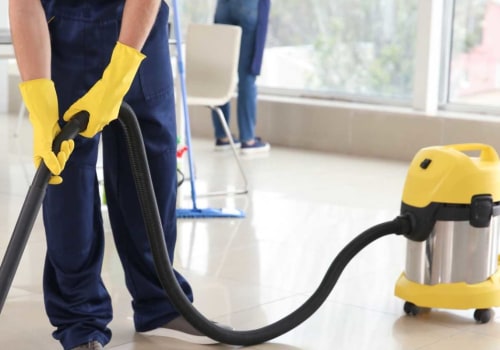
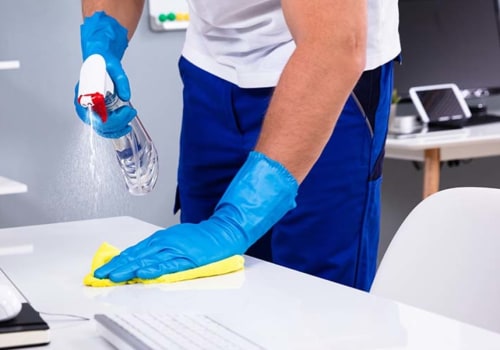
In today’s fast-paced business environment, commercial cleaning has emerged as a vital component in maintaining not only the aesthetic appeal of office spaces but also the health and productivity of employees. This specialised cleaning service goes beyond the basic tidying up; it encompasses a comprehensive approach to sanitation and hygiene that is essential for any workplace. By employing professional cleaning services, businesses can ensure that their environments are not only visually appealing but also safe and conducive to productivity.Understanding what commercial cleaning entails is crucial for any organisation looking to enhance its operational efficiency. Unlike standard cleaning, which may be performed sporadically or by in-house staff, commercial cleaning is typically carried out by trained professionals who utilise advanced techniques and equipment.
These services often include deep cleaning of carpets, thorough disinfection of high-touch surfaces, and meticulous attention to detail in restrooms and kitchens. The result is a workspace that not only looks clean but is also free from harmful germs and allergens.The benefits of investing in office cleaning services are manifold. A clean office environment significantly reduces the risk of illness among employees, which can lead to decreased absenteeism and increased morale. Furthermore, a well-maintained office space fosters a positive impression on clients and visitors, enhancing the overall reputation of the business.
As we delve deeper into this topic, we will explore how to create an effective cleaning plan tailored to your specific needs, ensuring that your workplace remains a healthy and productive space for everyone involved.
The Health Benefits of Regular Office Cleaning
Maintaining a clean office environment is not merely about aesthetics; it plays a crucial role in promoting the health and well-being of employees. Regular office cleaning significantly reduces the presence of germs and bacteria, which are often harboured in high-touch areas such as desks, keyboards, and communal spaces. This proactive approach to cleanliness can lead to a marked decrease in the spread of illnesses within the workplace.One of the most immediate health benefits of regular office cleaning is the reduction in sick days taken by employees. When offices are routinely cleaned and disinfected, the likelihood of transmitting viruses and bacteria diminishes.This is particularly important during flu season or in the wake of contagious outbreaks, where a single infected individual can lead to a ripple effect of illness throughout the office.Moreover, a clean office contributes to improved air quality. Dust, allergens, and pollutants can accumulate in an unclean environment, leading to respiratory issues and other health problems. Regular cleaning practices, including vacuuming carpets and dusting surfaces, help to eliminate these irritants, creating a healthier atmosphere for everyone.In addition to physical health benefits, a clean workspace can also enhance mental well-being. Clutter and dirt can be distracting and overwhelming, leading to increased stress levels among employees.
A tidy and well-maintained office fosters a sense of order and calm, allowing employees to focus better on their tasks. This improved concentration not only boosts productivity but also contributes to overall job satisfaction.To maximise these health benefits, it is essential for businesses to implement a comprehensive cleaning schedule that addresses all areas of the office. This should include:
- Daily cleaning of high-touch surfaces such as door handles, light switches, and shared equipment.
- Weekly deep cleaning sessions that involve thorough dusting, vacuuming, and sanitising of all areas.
- Regular inspections to ensure that cleaning standards are being met consistently.
Enhancing Productivity Through a Clean Workspace
A clean office environment plays a crucial role in enhancing employee productivity.When employees are surrounded by clutter and dirt, their ability to focus diminishes significantly. A tidy workspace not only fosters a sense of order but also promotes mental clarity, allowing employees to concentrate on their tasks without unnecessary distractions.One of the primary benefits of maintaining a clean workspace is the reduction of distractions. Cluttered desks can lead to a chaotic mindset, making it difficult for employees to prioritise their work effectively. By implementing regular cleaning schedules, businesses can ensure that workspaces remain organised and free from unnecessary items that could divert attention.
This organisation helps employees to locate essential documents and tools quickly, thereby streamlining their workflow.Moreover, a clean office contributes to a more pleasant work atmosphere. Employees are likely to feel more motivated and engaged in their tasks when they are in a well-maintained environment. The aesthetic appeal of a clean office can uplift spirits and foster a positive company culture. When employees take pride in their surroundings, it can lead to increased job satisfaction and overall morale.Additionally, cleanliness is closely linked to health and well-being.
A clean workspace reduces the risk of illness caused by germs and allergens that thrive in dirty environments. Fewer sick days mean that employees can maintain consistent productivity levels, which is beneficial for both the individual and the organisation as a whole.To maximise the benefits of a clean workspace, companies should consider implementing the following strategies:
- Regular Cleaning Routines: Establish daily or weekly cleaning schedules that include tasks such as dusting surfaces, vacuuming carpets, and sanitising shared spaces.
- Encourage Personal Responsibility: Promote a culture where employees take ownership of their own workspaces by keeping them tidy and organised.
- Provide Adequate Storage Solutions: Ensure that employees have access to sufficient storage options to minimise clutter on desks.
- Incorporate Green Cleaning Products: Use environmentally friendly cleaning supplies that promote health and well-being while maintaining cleanliness.
Creating a Professional Image with Office Cleaning
In the competitive landscape of modern business, the significance of a clean office cannot be overstated. A well-maintained workspace not only enhances the overall atmosphere but also plays a pivotal role in shaping a professional image.When clients and visitors step into your office, their first impressions are often formed within seconds, making cleanliness a crucial factor in how your business is perceived.First impressions are lasting, and an untidy or disorganised office can lead to negative perceptions about your company’s professionalism and attention to detail. Conversely, a clean and orderly environment conveys a sense of reliability and competence. Here are several ways in which maintaining a clean office contributes to a professional image:
- Enhanced Client Perception: Clients are more likely to trust and engage with businesses that present themselves well. A clean office reflects your commitment to quality and professionalism, making clients feel more comfortable in choosing your services.
- Employee Morale: A tidy workspace not only impresses clients but also boosts employee morale.
When employees work in a clean environment, they tend to feel more valued and motivated, which can lead to increased productivity and job satisfaction.
- Health and Safety: Cleanliness is directly linked to health. A well-maintained office reduces the risk of illness among employees, which can lead to fewer sick days and higher overall productivity. This commitment to health also reflects positively on your business.
- Brand Image: Your office is an extension of your brand. A clean and organised space reinforces your brand values and ethos, helping to create a cohesive image that resonates with both clients and employees.
This plan should include regular deep cleaning sessions as well as daily maintenance tasks. By prioritising cleanliness, you not only enhance the aesthetic appeal of your workspace but also foster an environment that attracts clients and retains top talent.In conclusion, the importance of maintaining a clean office extends far beyond mere aesthetics. It is an essential component of creating a professional image that can significantly impact client relationships and employee satisfaction. By investing in commercial cleaning services or establishing an internal cleaning routine, businesses can ensure that their workspaces reflect the high standards they strive for.
Cost Savings Associated with Regular Cleaning
Investing in regular office cleaning can yield significant cost savings for businesses, particularly when it comes to maintaining furniture and equipment.Over time, neglecting cleanliness can lead to a range of issues that not only affect the aesthetic appeal of the workspace but also incur substantial financial burdens.One of the primary ways that regular cleaning contributes to cost savings is by preventing damage to office furniture and equipment. Dust and dirt accumulation can lead to wear and tear on surfaces, which may necessitate costly repairs or replacements. For instance, a dirty carpet can become matted and stained, requiring expensive deep cleaning or even complete replacement. By implementing a consistent cleaning schedule, businesses can extend the lifespan of their assets, ultimately saving money in the long run.Moreover, regular cleaning helps maintain a hygienic environment, which can reduce the likelihood of equipment malfunction.
For example, dust buildup in electronic devices such as computers and printers can lead to overheating and operational failures. By ensuring these devices are cleaned regularly, companies can avoid unexpected repair costs and downtime.In addition to protecting physical assets, a clean office environment can enhance employee productivity. When employees work in a tidy space, they are less likely to be distracted by clutter or dirt, allowing them to focus on their tasks more effectively. This increase in productivity can translate into higher output and efficiency, ultimately benefiting the company's bottom line.Furthermore, regular cleaning can help mitigate health-related costs associated with employee absenteeism.
A clean office reduces the spread of germs and bacteria, leading to fewer illnesses among staff members. This not only promotes a healthier workforce but also decreases the costs related to sick leave and healthcare claims.To maximise these cost-saving benefits, businesses should consider developing a comprehensive cleaning plan that includes:
- Regularly scheduled cleanings: Establishing a routine ensures that all areas are consistently maintained.
- Professional cleaning services: Hiring experts can provide thorough cleaning that may be more effective than in-house efforts.
- Employee training: Educating staff on maintaining their workspaces can further enhance cleanliness.
Developing an Effective Office Cleaning Plan
Creating an effective office cleaning plan is essential for maintaining a hygienic and productive work environment. A well-structured plan not only ensures cleanliness but also promotes employee health and morale.Here’s a step-by-step guide to developing a tailored office cleaning plan that meets your specific business needs.
1.Assess Your Office Space
The first step in creating an office cleaning plan is to assess your workspace. Consider the size of your office, the number of employees, and the type of work being conducted. Different areas may require varying levels of cleaning frequency and attention. For instance, high-traffic areas such as reception desks and meeting rooms may need daily cleaning, while less frequented spaces can be cleaned weekly.2.Determine Cleaning Frequency
Once you have assessed your office space, determine how often each area should be cleaned.Here are some general guidelines:
- Daily: High-touch surfaces (doorknobs, light switches), kitchens, bathrooms, and communal areas.
- Weekly: Desks, meeting rooms, and floors (vacuuming or mopping).
- Monthly: Deep cleaning tasks such as window washing, carpet cleaning, and dusting hard-to-reach areas.
3.Create a Cleaning Checklist
A comprehensive checklist is vital for ensuring that all cleaning tasks are completed consistently. Your checklist should include:- Daily Tasks:
- Empty trash bins and replace liners.
- Wipe down high-touch surfaces with disinfectant.
- Clean kitchen surfaces and restock supplies.
- Sweep or vacuum common areas.
- Weekly Tasks:
- Dust all surfaces, including shelves and electronics.
- Mop floors in kitchens and bathrooms.
- Clean glass surfaces and mirrors.
- Monthly Tasks:
- Deep clean carpets or rugs.
- Wash windows inside and out.
- Inspect and clean air vents.
4.Assign Responsibilities
If you have a dedicated cleaning team, assign specific tasks to each member based on their strengths and expertise. If your staff will be involved in maintaining cleanliness, ensure they are trained on the importance of hygiene practices and how to use cleaning supplies safely.5.Review and Adjust Regularly
Your office cleaning plan should be a living document that evolves with your business needs. Regularly review the effectiveness of your plan by seeking feedback from employees and making adjustments as necessary to improve efficiency and cleanliness standards.Choosing Between In-House Cleaning vs.
Professional ServicesWhen it comes to maintaining a clean and hygienic office environment, businesses often face the decision of whether to employ in-house cleaning staff or to hire professional cleaning services. Each option has its own set of advantages and disadvantages, and understanding these can help organisations make informed choices that align with their specific needs.
In-House Cleaning
Utilising in-house cleaning staff can offer several benefits:- Control and Flexibility: Having your own cleaning team allows for greater control over cleaning schedules and procedures. You can tailor the cleaning tasks to fit your office's unique requirements, ensuring that specific areas receive attention as needed.
- Familiarity with the Space: In-house cleaners are typically more familiar with the layout and specific needs of your office. This familiarity can lead to more effective cleaning practices and quicker response times for urgent cleaning needs.
- Cost-Effectiveness: For larger organisations, employing full-time cleaners may be more cost-effective in the long run, especially if cleaning is required on a daily basis.
- Training and Management: Managing an in-house team requires time and resources for training, supervision, and performance management.
This can divert attention from core business activities.
- Limited Expertise: In-house staff may lack the specialised training that professional cleaners possess, which can affect the quality of cleaning, especially in areas requiring deep cleaning or specialised equipment.
Professional Cleaning Services
On the other hand, hiring professional cleaning services comes with its own set of advantages:- Expertise and Experience: Professional cleaners are trained in best practices and use advanced techniques and equipment. This expertise often results in a higher standard of cleanliness.
- Time-Saving: Outsourcing cleaning tasks allows your employees to focus on their primary responsibilities without the distraction of cleaning duties.
- Scalability: Professional services can easily adjust their offerings based on your needs, whether you require daily cleaning or periodic deep cleans.
- Cost Considerations: While outsourcing may save time, it can also be more expensive than maintaining an in-house team, particularly for smaller businesses with limited budgets.
- Lack of Control: Relying on an external service means less direct control over the cleaning process and standards. Communication is key to ensuring that your expectations are met.
Employee Involvement in Maintaining Cleanliness
Involving employees in the maintenance of cleanliness within the office is crucial for fostering a culture of responsibility and enhancing overall hygiene.When employees take ownership of their workspace, it not only contributes to a cleaner environment but also promotes a sense of pride and accountability among the team.
Encouraging Personal Responsibility
One effective way to encourage workplace tidiness is by instilling a sense of personal responsibility in each employee. This can be achieved through:
- Clear Communication: Regularly communicate the importance of cleanliness and how it impacts health, productivity, and morale. Use team meetings or internal newsletters to highlight cleanliness initiatives.
- Setting Expectations: Establish clear guidelines regarding cleanliness standards. For instance, employees should be encouraged to keep their desks organised, dispose of waste properly, and maintain shared spaces.
- Lead by Example: Management should model the behaviour they wish to see.
When leaders prioritise cleanliness, it sets a standard for all employees to follow.
Creating a Culture of Cleanliness
To further enhance employee involvement, consider implementing initiatives that promote a culture of cleanliness:
- Cleaning Challenges: Organise friendly competitions or challenges that encourage teams to keep their areas tidy. Recognising the cleanest workspace can motivate others to participate.
- Team Cleaning Days: Schedule regular team cleaning days where employees come together to clean common areas. This not only improves hygiene but also fosters teamwork and camaraderie.
- Feedback Mechanisms: Create channels for employees to provide feedback on cleanliness issues or suggest improvements. This empowers them to take an active role in maintaining their environment.
The Role of Training
Training sessions can also play a significant role in promoting cleanliness.
Providing employees with information on effective cleaning practices and the importance of hygiene can lead to better compliance with cleanliness standards. Consider offering workshops that cover:
- The impact of cleanliness on health and productivity
- Best practices for maintaining personal workspaces
- Proper use of cleaning supplies and equipment
FAQs About Commercial Cleaning and Office Hygiene
When it comes to commercial cleaning and maintaining office hygiene, many questions arise. Below are some of the most frequently asked questions that can help clarify common misconceptions and provide valuable insights into effective cleaning practices.What is the difference between commercial cleaning and regular cleaning?
Commercial cleaning
refers to professional cleaning services tailored for businesses, including offices, retail spaces, and industrial facilities.
Unlike regular cleaning, which may be performed by individuals or families in their homes, commercial cleaning involves specialised equipment, techniques, and products designed to handle larger spaces and more complex cleaning needs.
How often should an office be cleaned?
The frequency of office cleaning largely depends on the size of the workspace and the number of employees. Generally, high-traffic areas such as reception areas and restrooms should be cleaned daily, while other areas may require less frequent attention. A comprehensive cleaning plan should be developed based on specific needs, ensuring that all areas are maintained regularly.Are commercial cleaning services worth the investment?
Absolutely! Investing in commercial cleaning services can lead to numerous benefits, including improved employee health, increased productivity, and a more professional appearance for your business. A clean environment reduces the spread of germs and allergens, which can significantly lower absenteeism due to illness.What are some common misconceptions about office cleaning?
- Misconception 1: Office cleaning is only necessary when it looks dirty.
In reality, regular maintenance is crucial to prevent dirt buildup and maintain a healthy environment.
- Misconception 2: All cleaning products are equally effective. Different surfaces require specific products; using the wrong ones can damage materials or leave residues.
- Misconception 3: Cleaning is just about aesthetics. A clean office promotes health and well-being, which directly impacts employee morale and productivity.
How can I ensure my office cleaner is doing a thorough job?
To ensure thoroughness in your commercial cleaning, establish a detailed checklist of tasks that need to be completed regularly. Regularly review this checklist with your cleaning team and encourage open communication about any areas that may need extra attention.Additionally, consider scheduling periodic inspections to assess cleanliness standards.By addressing these frequently asked questions, businesses can better understand the importance of office hygiene and make informed decisions regarding their cleaning practices.
Conclusion: The Importance of a Clean Office Environment
In conclusion, the significance of maintaining a clean office environment cannot be overstated. Regular commercial cleaning plays a pivotal role in fostering a healthy workplace, enhancing employee productivity, and ultimately contributing to the overall success of a business.As we have explored throughout this article, the health benefits of a clean office are profound. A well-maintained workspace significantly reduces the presence of germs and bacteria, which in turn lowers the incidence of illness among employees. This is particularly crucial in today’s world, where health concerns are at the forefront of our daily lives.By investing in regular cleaning services, businesses not only protect their employees but also demonstrate a commitment to their well-being.Moreover, a clean office environment has been shown to boost productivity. Employees are more likely to focus on their tasks when they are not distracted by clutter or unclean surroundings. A tidy workspace fosters a sense of order and professionalism, which can enhance morale and motivation among staff members. When employees feel comfortable and valued in their environment, they are more likely to perform at their best.Additionally, maintaining cleanliness can lead to significant cost savings for businesses.
Regular cleaning helps prevent the accumulation of dirt and grime that can damage furniture and equipment over time. By investing in commercial cleaning, companies can extend the lifespan of their assets and avoid costly repairs or replacements.To summarise, implementing a robust office cleaning plan is essential for any organisation aiming to create a safe, productive, and professional work environment. By prioritising cleanliness, businesses not only protect their employees' health but also enhance overall operational efficiency. As we move forward, let us remember that a clean office is not just about aesthetics; it is about creating a thriving workplace that supports both employee well-being and business success.