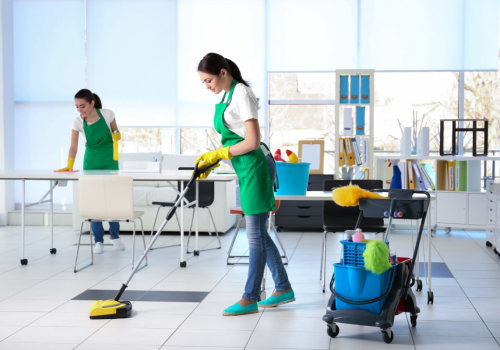
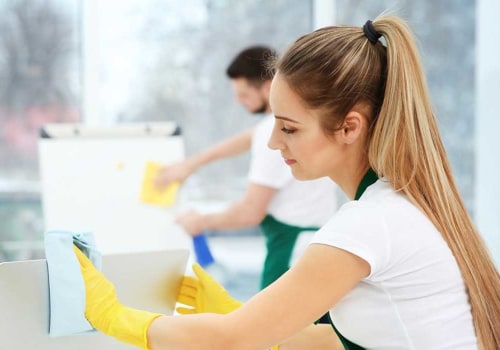
The COVID-19 pandemic has fundamentally altered the way we perceive cleanliness and hygiene, particularly in commercial settings. As businesses faced unprecedented challenges during lockdowns, the role of commercial cleaners became increasingly vital. These professionals are not just responsible for maintaining a tidy appearance; they play a crucial role in safeguarding public health by ensuring that workplaces are sanitized and safe for employees and customers alike.During lockdown, many businesses were forced to close their doors temporarily, but the need for commercial cleaning services did not diminish. In fact, it became more essential than ever.
With heightened awareness of virus transmission, companies recognised that maintaining a clean environment was key to preventing outbreaks and ensuring the safety of their staff when they returned to work. This shift in focus has led to a surge in demand for cleaning services that adhere to strict health guidelines and protocols.Moreover, the government classified certain cleaning services as essential , allowing them to operate even during the most stringent lockdown measures. This classification underscores the importance of cleanliness in various sectors, including healthcare facilities, retail spaces, and offices. Commercial cleaners have had to adapt quickly, implementing enhanced cleaning procedures that include frequent disinfection of high-touch surfaces and the use of personal protective equipment (PPE) to protect both themselves and those they serve.As we navigate through these challenging times, understanding the pivotal role of commercial cleaners is essential.
Their expertise not only helps in maintaining hygiene standards but also instills confidence among employees and customers alike. The ongoing commitment to cleanliness will undoubtedly shape the future of commercial spaces as we move towards recovery.
Government Guidelines on Commercial Cleaning Services
During the COVID-19 pandemic, the UK government has implemented a series of guidelines specifically tailored for commercial cleaning services. These regulations are designed to ensure the safety of both cleaning personnel and the public while maintaining essential cleaning operations.Understanding the Guidelines
- Essential Services: The government has classified commercial cleaning as an essential service. This means that cleaning companies can operate during lockdown periods, provided they adhere to strict health and safety protocols.
- Risk Assessments: Cleaning companies are required to conduct thorough risk assessments before commencing work.
This includes evaluating the specific environment they will be cleaning and identifying potential hazards related to COVID-19.
- Social Distancing:Social Distancing: Cleaners must maintain social distancing measures wherever possible. This includes minimising face-to-face interactions with clients and other staff members. If multiple cleaners are present, they should work in a manner that avoids close contact.
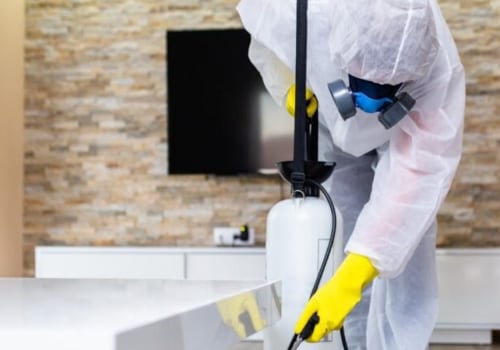
- PPE Requirements: Personal protective equipment (PPE) is mandatory for all cleaning staff. This includes face masks, gloves, and, where necessary, eye protection.
The use of PPE not only protects the cleaners but also reduces the risk of virus transmission in commercial spaces.
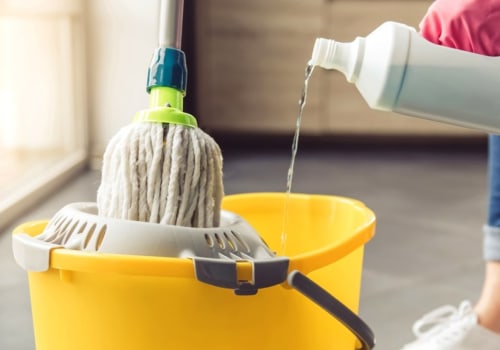
- Hygiene Protocols: Enhanced hygiene protocols must be followed. This includes frequent hand washing, using hand sanitiser, and ensuring that all cleaning equipment is disinfected regularly.
- Communication with Clients: Prior to any scheduled cleaning, it is crucial for cleaners to communicate with clients regarding any health concerns or symptoms related to COVID-19 within the premises. This ensures that both parties are informed and can take necessary precautions.
Compliance and Accountability
Cleaning companies must remain compliant with these guidelines to avoid penalties and ensure the safety of their employees and clients. Regular training sessions on updated regulations and best practices are recommended to keep staff informed about evolving government directives.The importance of adhering to these guidelines cannot be overstated, as they play a vital role in controlling the spread of COVID-19 while allowing essential services like commercial cleaning to continue operating effectively during lockdowns.
Types of Commercial Cleaning Services Allowed During Lockdown
During lockdown, the landscape of commercial cleaning has evolved significantly, with certain services deemed essential to maintain hygiene and safety in various environments.Understanding the types of commercial cleaning services that are permitted during these challenging times is crucial for businesses and organisations aiming to comply with health regulations while ensuring a clean and safe space for employees and customers.
1.Office Cleaning
Even amidst lockdown restrictions, many offices remain operational, albeit with reduced staff. Regular office cleaning services are essential to mitigate the risk of virus transmission. This includes thorough sanitisation of high-touch surfaces such as desks, keyboards, and communal areas. Cleaners are trained to use appropriate disinfectants that are effective against COVID-19, ensuring a safe working environment.
2.Healthcare Facility Cleaning
Healthcare facilities, including hospitals and clinics, require stringent cleaning protocols to prevent infection spread.
Commercial cleaning services in these settings focus on deep cleaning and disinfection of patient rooms, waiting areas, and surgical theatres. These services are critical during lockdown as they help protect both patients and healthcare workers.
3.Retail Cleaning
With many retail outlets operating under strict guidelines, cleaning services have adapted to ensure compliance with health regulations. This includes regular sanitisation of shopping carts, checkout areas, and fitting rooms. Retail cleaners play a vital role in reassuring customers about their safety while shopping.
4.Industrial Cleaning
Industrial facilities must maintain cleanliness to ensure operational efficiency and safety.
During lockdown, industrial cleaning services focus on deep cleaning machinery, workspaces, and common areas to prevent contamination. These services are essential for industries that continue to operate under government guidelines.
5.Educational Institution Cleaning
Schools and universities may be closed to students but often require cleaning services to prepare for eventual reopening.
Commercial cleaners
are tasked with deep cleaning classrooms, libraries, and restrooms to ensure a safe return for students and staff when the time comes.6.Post-Construction Cleaning
As construction projects continue under lockdown conditions, post-construction cleaning is essential to remove debris and ensure that newly built or renovated spaces are safe for use. This type of cleaning is crucial for preparing facilities for occupancy.The role of commercial cleaners during lockdown cannot be overstated; they provide essential services that help maintain public health standards across various sectors.
By adhering to strict guidelines and employing effective cleaning methods, these professionals contribute significantly to creating safer environments during these unprecedented times.
Safety Protocols for Commercial Cleaners
As the world continues to navigate the challenges posed by the COVID-19 pandemic, commercial cleaners play a crucial role in maintaining hygiene and safety in various environments. To ensure the well-being of both cleaners and clients, it is essential to adhere to strict safety protocols. These measures not only protect individuals but also help in preventing the spread of the virus.Personal Protective Equipment (PPE)
- Commercial cleaners should wear appropriate PPE, including masks, gloves, and face shields, especially when working in high-risk areas or with vulnerable populations.
- Disposable gloves should be changed frequently, particularly after cleaning different surfaces or areas.
- Face masks should cover both the nose and mouth, and should be worn at all times during cleaning tasks.
Hygiene Practices
- Hand hygiene is paramount; cleaners must wash their hands thoroughly with soap and water for at least 20 seconds before and after cleaning tasks.
- When soap and water are not available, hand sanitiser with at least 60% alcohol should be used.
- Cleaners should avoid touching their face, especially their eyes, nose, and mouth, to reduce the risk of virus transmission.
Cleaning Protocols
- High-touch surfaces such as doorknobs, light switches, and handrails should be cleaned and disinfected frequently using EPA-approved disinfectants effective against COVID-19.
- Commercial cleaners should follow a systematic approach to cleaning, starting from the least contaminated areas to the most contaminated ones to prevent cross-contamination.
- Ventilation is key; whenever possible, windows should be opened to allow fresh air circulation during cleaning activities.
Client Communication
- Prior to arriving at a site, cleaners should communicate with clients about any health concerns or symptoms related to COVID-19.
- Establishing clear guidelines on social distancing during cleaning visits can help maintain safety for both parties.
- If a client shows symptoms or has been exposed to someone with COVID-19, it is advisable to postpone the cleaning service until it is safe to proceed.
Challenges Faced by Commercial Cleaners During Lockdown
The COVID-19 pandemic has significantly transformed the landscape of commercial cleaning, presenting a myriad of challenges that cleaners must navigate during lockdown periods.These challenges not only affect the operational aspects of cleaning services but also raise concerns regarding the health and safety of both cleaners and clients.One of the primary challenges faced by commercial cleaners is the heightened risk of exposure to the virus. Working in environments that are often high-traffic, such as offices, retail spaces, and public facilities, increases the likelihood of coming into contact with contaminated surfaces. Cleaners must be vigilant in their practices, ensuring that they adhere to strict hygiene protocols to mitigate this risk. This includes wearing appropriate personal protective equipment (PPE), such as masks and gloves, and utilising disinfectants that are effective against COVID-19.Moreover, the operational difficulties during lockdown cannot be overlooked.
Many businesses have reduced their hours or closed entirely, leading to a decrease in demand for commercial cleaning services. This has resulted in financial strain for cleaning companies, forcing them to adapt quickly to changing circumstances. Some have had to pivot their services to focus on deep cleaning and sanitisation, which are now more critical than ever.Another significant challenge is maintaining effective communication with clients. With many businesses operating remotely or under strict guidelines, cleaners must ensure they are informed about any changes in protocols or access restrictions.
This requires a proactive approach to scheduling and client engagement, as well as flexibility in adapting to last-minute changes.Furthermore, the psychological impact on cleaners should not be underestimated. The fear of contracting the virus while performing their duties can lead to increased stress and anxiety among cleaning staff. Employers must prioritise mental health support and create a culture of safety where employees feel comfortable voicing their concerns.In conclusion, while commercial cleaners play a vital role in maintaining hygiene standards during lockdowns, they face numerous challenges that require resilience and adaptability. From health risks to operational hurdles and communication barriers, addressing these issues is essential for ensuring both cleaner safety and service continuity.
The Importance of Hygiene in Commercial Spaces During a Pandemic
In the wake of a pandemic, the significance of maintaining high standards of hygiene in commercial spaces cannot be overstated.The spread of infectious diseases, particularly those transmitted through surfaces and air, has made it imperative for businesses to adopt rigorous cleaning protocols. This is not just about compliance with health regulations; it is about safeguarding the health of employees, customers, and the wider community.Effective hygiene practices in commercial environments serve multiple purposes:
- Preventing Disease Transmission: Regular and thorough cleaning reduces the likelihood of pathogens lingering on surfaces. High-touch areas such as door handles, light switches, and communal equipment are particularly vulnerable and require frequent disinfection.
- Building Trust: Customers are more likely to frequent businesses that demonstrate a commitment to cleanliness. Visible cleaning efforts can reassure patrons that their health is a priority, fostering loyalty and encouraging repeat visits.
- Enhancing Employee Well-being: A clean workplace contributes to employee morale and productivity.
When staff feel safe in their environment, they are more likely to perform at their best, which ultimately benefits the business.
- Compliance with Regulations: Many regions have implemented strict guidelines regarding hygiene in commercial settings. Adhering to these regulations not only avoids penalties but also positions a business as responsible and community-oriented.
This includes recommendations for daily cleaning routines and tips on how to encourage employees to participate in maintaining a clean workspace.In conclusion, prioritising hygiene in commercial spaces during a pandemic is essential not only for health reasons but also for sustaining business operations. By investing in professional cleaning services, businesses can ensure they meet hygiene standards while fostering a safe environment for all.
FAQs About Commercial Cleaning During Lockdown
As businesses navigate the complexities of operating during lockdown, many have questions regarding the role of commercial cleaning services. Below are some frequently asked questions that aim to clarify concerns and provide reassurance to both businesses and clients.- Can commercial cleaners operate during lockdown?
Yes, commercial cleaning services are considered essential and can continue to operate during lockdown periods. This is crucial for maintaining hygiene standards in workplaces, especially in high-traffic areas. - What safety measures are in place for cleaners?
Professional cleaning companies have implemented strict safety protocols.These include the use of personal protective equipment (PPE), regular sanitisation of equipment, and adherence to social distancing guidelines. Cleaners are trained to minimise contact with others while performing their duties.
- How do cleaners ensure effective disinfection?
Cleaners use hospital-grade disinfectants that are effective against viruses, including COVID-19. They follow a thorough cleaning checklist that prioritises high-touch surfaces such as door handles, light switches, and communal areas. - What should businesses do before a cleaning service arrives?
It is advisable for businesses to communicate with their cleaning service prior to arrival. This includes informing them about any specific concerns or health issues within the premises. Ensuring proper ventilation during the cleaning process is also recommended. - Are there any restrictions on the type of cleaning services provided?
While most commercial cleaning services can continue, certain non-essential services may be restricted depending on local regulations.It’s best to check with your cleaning provider for specific details regarding their offerings during lockdown.
Conclusion: The Future of Commercial Cleaning Post-Lockdown
As we look towards the future of commercial cleaning in a post-lockdown world, it is essential to reflect on the significant transformations that have occurred during the pandemic. The necessity for heightened hygiene standards and the implementation of rigorous cleaning protocols have reshaped the landscape of the cleaning industry. Businesses and organisations are now more aware than ever of the importance of maintaining a clean and safe environment for their employees and customers.One of the most notable changes is the increased demand for specialised cleaning services.As companies adapt to new health guidelines, there is a growing need for cleaners who are trained in advanced disinfection techniques and familiar with the latest cleaning technologies. This shift not only enhances safety but also builds trust with clients who are concerned about health risks.Moreover, the integration of technology into commercial cleaning practices is likely to accelerate. From automated cleaning machines to advanced sanitisation equipment, technology will play a crucial role in improving efficiency and effectiveness. Businesses may invest in tools such as UV-C light sanitisation systems and electrostatic sprayers, which can provide a higher level of cleanliness compared to traditional methods.Additionally, the concept of green cleaning is expected to gain traction.
With an increasing focus on sustainability, many organisations will seek eco-friendly cleaning products that are both effective and safe for the environment. This shift not only aligns with corporate social responsibility goals but also appeals to environmentally conscious consumers.Furthermore, as remote working becomes more prevalent, commercial spaces may undergo significant changes. The need for regular cleaning in offices may decrease as fewer employees return to physical workplaces. However, this could lead to an increase in demand for cleaning services in other sectors, such as residential properties or shared workspaces that require strict hygiene measures.In conclusion, while the commercial cleaning industry has faced unprecedented challenges during lockdowns, it has also opened doors to new opportunities.
The emphasis on cleanliness and safety will likely remain a priority for businesses moving forward. By embracing innovation and adapting to changing needs, the commercial cleaning sector can emerge stronger and more resilient in a post-pandemic world.